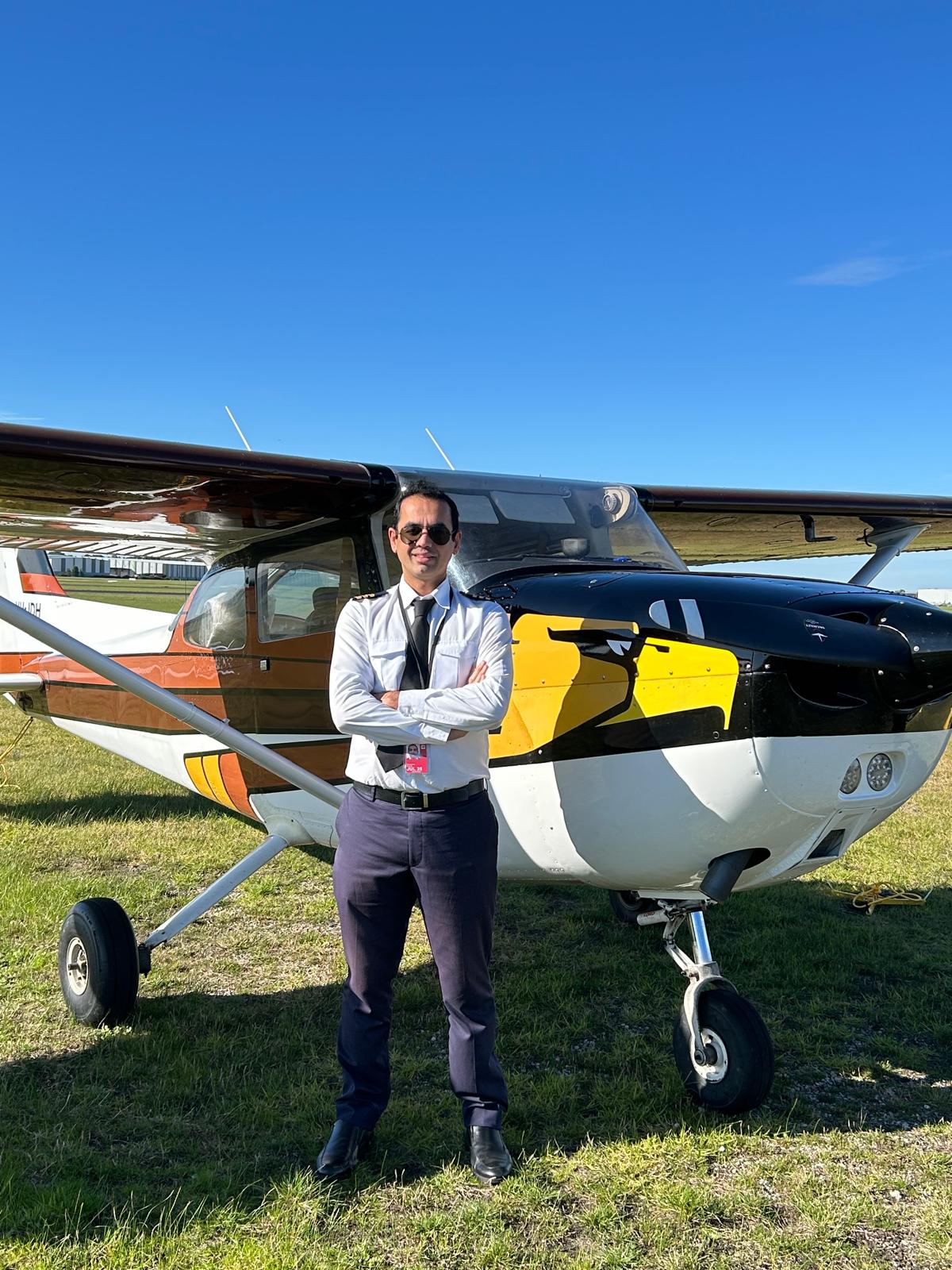
Learning to fly is one of the most exciting decisions you can make. Whether you want to fly for fun or begin a journey toward a commercial aviation career, it’s important to understand how pilot training costs work in Melbourne.
At Goldwings Aviation, we offer personalised and professional flight training at Moorabbin Airport (YMMB) — Melbourne’s busiest general aviation hub.
What Determines Pilot Training Costs?
Pilot training costs can vary based on several factors including:
- Aircraft type and fuel costs
- Instructor time (dual vs solo hours)
- Required flight hours for RPL or PPL
- Ground school and exam preparation
- CASA testing and medical fees
- Your training pace and flying frequency
Every student progresses differently, and our instructors ensure your time in the air is productive and efficient.
Recreational Pilot Licence (RPL) Costs in Melbourne
Your RPL is your first aviation milestone — the licence that allows you to fly as pilot-in-command. Costs vary depending on the time you take to build confidence and meet competency standards.
Training includes dual flights, solo flights, ground school, radio operations, and airspace procedures. The overall cost depends on how frequently you fly and how quickly you progress. Learn more about our RPL training →
Private Pilot Licence (PPL) Costs
A PPL expands your flying privileges across Australia and includes advanced navigation, longer solo flights, emergency training, and CASA theory exams.
Because PPL training involves more hours and longer flights, total costs are higher — but the progression from RPL to PPL is smooth and structured. Explore our PPL program →
Why Train at Moorabbin Airport?
Moorabbin Airport is Melbourne’s main aviation training hub and provides the ideal environment for pilot development. Students benefit from:
- Controlled airspace and radio communication
- Real-world traffic conditions
- Multiple runway operations
- Faster confidence development compared to rural airfields
Training in a busy environment makes you a stronger, safer pilot with better long-term career prospects.
How to Reduce Your Pilot Training Costs
- Fly regularly (consistent training reduces total hours)
- Use simulators and ground study before lessons
- Plan structured lessons with your instructor
- Progress from RPL to PPL without long gaps
Frequently Asked Questions
How long does pilot training take?
Most students complete RPL within a few months depending on lesson frequency.
Is pilot training paid upfront?
No — you can pay as you fly for flexibility and budgeting.
Can beginners start with zero experience?
Absolutely. Our instructors guide you from your very first flight to full confidence in the air.